
Soil That Lets Roots Grow Deeper
Aeration in North Hollywood for compacted turf and poor water penetration
Compacted soil prevents water and air from reaching grass roots, leaving your yard struggling even when you irrigate regularly. Jose Land Services aerates turf across North Hollywood and Burbank properties to break up dense soil layers that form from foot traffic, heavy use, and the clay content common in San Fernando Valley yards. After aeration, you'll notice water soaking in instead of running off and grass filling in where it was thinning before.
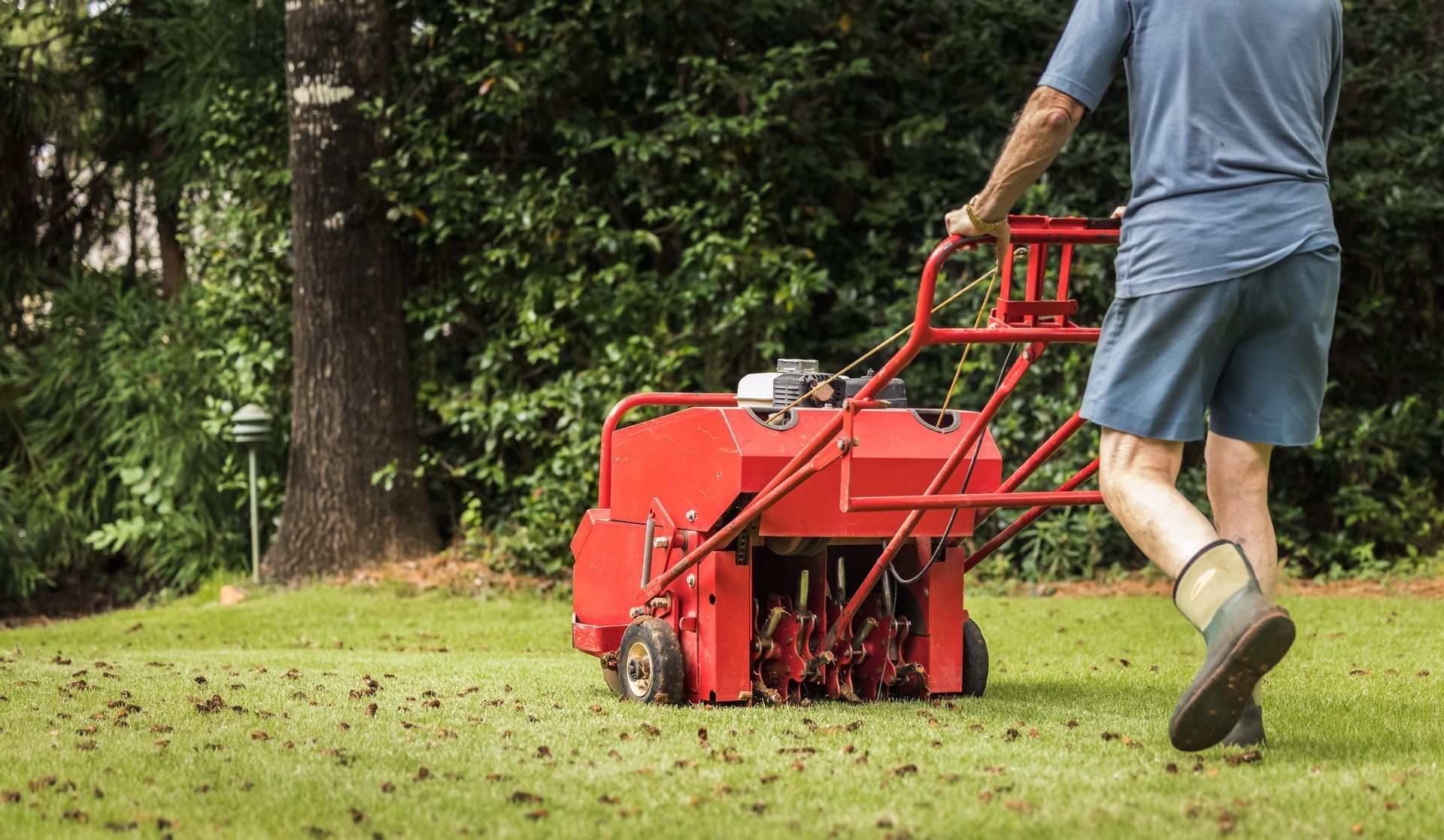
Aeration involves pulling cylindrical plugs of soil from your yard to create channels that allow water, oxygen, and nutrients to penetrate below the surface crust. The process targets areas where the soil has been compressed by regular use or where hard pan layers have formed naturally over time. Aeration timing is matched to warm-season grass growth cycles in Southern California so roots can take advantage of the improved soil conditions immediately after the work is done.
Arrange a yard evaluation to determine if soil compaction is limiting your turf health.
How Aeration Addresses Compaction
The aeration process uses a machine that removes soil cores approximately three inches deep and spaces them across the yard at intervals that provide adequate soil disruption without damaging healthy turf. Hole depth and spacing are adjusted based on how compacted the soil is and what type of grass you're growing, since warm-season varieties common in this area respond differently than cool-season turf. The soil plugs are left on the surface to break down naturally and return organic matter to the yard.
After aeration is finished, water will soak into the ground rather than pooling on the surface or running toward hardscape edges, and fertilizer applications will reach root zones instead of sitting on top of impermeable soil. Grass roots grow deeper into the channels created by aeration, which makes your turf more drought-tolerant and better able to handle regular use. You'll see thicker growth in areas that were thin and better color across the entire yard as roots access nutrients that were previously unavailable.
Aeration works best when combined with overseeding or topdressing, but it's effective as a standalone treatment if your primary concern is water penetration and root development. The service doesn't replace soil or add amendments—it opens up what's already there so your grass can use it. Jose Land Services aerates properties throughout the San Fernando Valley as part of seasonal maintenance or as a corrective treatment when compaction becomes visible.
Common Questions About This Service
Here's what homeowners in North Hollywood typically want to know before scheduling aeration.
What does soil compaction look like in a yard?
Compacted soil shows up as water that runs off instead of soaking in, grass that thins out despite regular watering, and ground that feels hard underfoot even after irrigation. You might also notice puddles forming in areas where water used to absorb quickly or bare patches where turf has given up trying to grow through dense soil.
When is the best time to aerate a lawn in North Hollywood?
Aeration should be timed to warm-season grass growth periods in late spring or early summer when turf is actively growing and can quickly recover from the soil disruption. Aerating during dormant periods or extreme heat doesn't give grass the opportunity to take advantage of improved soil conditions.
How deep do aeration holes need to be?
Core aeration in San Fernando Valley soils typically removes plugs three inches deep to penetrate below the compacted surface layer and reach the root zone where grass needs oxygen and water. Shallower aeration doesn't break up the hard pan that's restricting growth, and deeper holes aren't necessary for residential turf applications.
Will aeration damage my existing grass?
Properly timed aeration creates temporary holes that grass roots quickly grow into, so any surface disruption is short-lived and beneficial rather than harmful. The plugs left on the surface break down within a few weeks and don't interfere with mowing or normal yard use.
How often should a yard be aerated?
Most North Hollywood properties benefit from annual aeration if the yard gets regular foot traffic or if soil naturally compacts due to clay content. Yards with lighter use or sandy soil may only need aeration every two years, while high-traffic areas might require more frequent treatment to maintain root health.
Jose Land Services integrates aeration with seeding and irrigation work to help your yard recover from compaction and support healthy growth. Schedule a property visit to assess soil conditions and plan the right timing for aeration based on your turf type and use patterns.